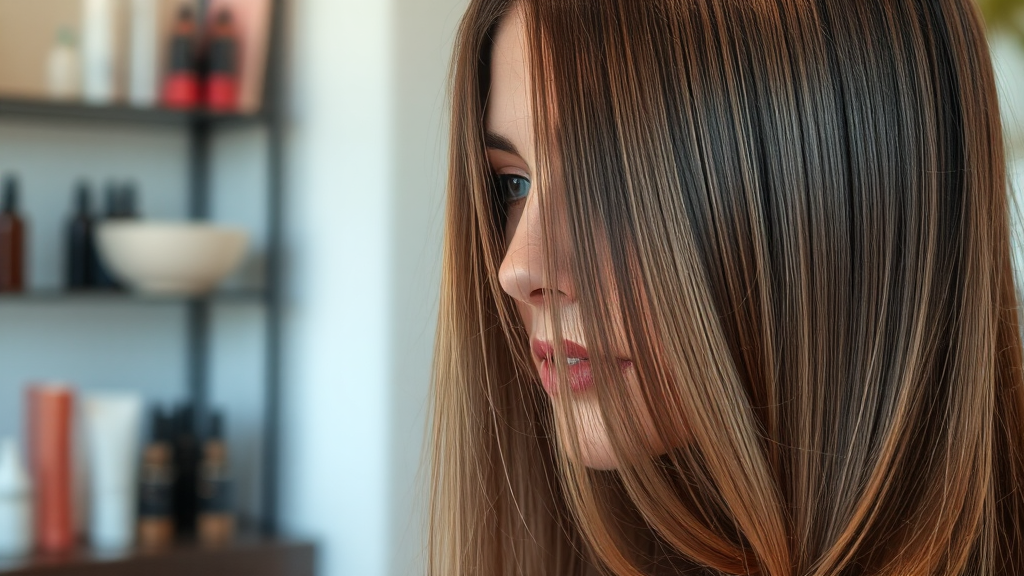
1a Hair Type: The Complete Guide to Straight, Fine, and Delicate Hair
Have you ever wondered why some people wake up with hair that falls perfectly flat and sleek, while others battle waves, curls, or frizz every morning? The answer often lies in their natural hair type. Among the many categories used by stylists and trichologists, the 1a hair type stands out as the straightest, finest, and most delicate of them all. Understanding whether you have this hair type is the first step toward choosing the right products, haircuts, and styling techniques that actually work with your natural texture rather than against it.
In this guide, we will explore everything you need to know about 1a hair: what it looks like, how it behaves, the unique challenges it presents, and the best ways to care for it. Whether you are a stylist looking to refine your consultation skills or someone trying to decode your own strands, this deep dive will give you practical, actionable insight.
What Exactly Is 1a Hair Type?
The 1a hair type sits at the very top of the widely used hair typing system, which classifies natural hair into four main groups: Type 1 (straight), Type 2 (wavy), Type 3 (curly), and Type 4 (coily). Within Type 1, there are three subcategories: 1a, 1b, and 1c. The 1a subtype is the straightest and finest of them all.
If you have 1a hair, your strands lie completely flat from root to tip with no visible bend, wave, or curl pattern. Even when air-dried without any styling products, the hair falls straight down. The individual strands are typically very fine, meaning the diameter of each hair is small. This fineness, combined with the lack of texture, gives 1a hair a naturally sleek, glossy appearance that many people admire.
It is worth noting that 1a hair is relatively rare compared to other types. Many people who believe they have straight hair actually have 1b or 1c hair, which has slightly more body or a subtle bend. True 1a hair is almost perfectly straight and often feels incredibly soft and silky to the touch.
Key Characteristics That Define 1a Hair
To identify 1a hair accurately, you need to look at several factors beyond just straightness. Here are the defining traits:
- Zero wave or curl: The hair shaft has no natural bend. It hangs straight and flat.
- Fine texture: Individual strands are thin and delicate. They may feel almost like silk thread.
- Natural shine: Because the cuticle layer lies flat, light reflects easily, giving 1a hair a high-gloss finish.
- Minimal volume: Fine, straight hair tends to lack natural body at the roots. It can appear limp or flat, especially if it is long or weighed down by product.
- Quick oiliness: Sebum travels down straight strands faster than curly ones, so the roots can become greasy quickly.
- Easily weighed down: Heavy conditioners, oils, and thick styling creams can make 1a hair look greasy and lifeless.
- Hard to hold a curl: Because the hair is so smooth and fine, curls often drop out within hours unless strong hold products are used.
These characteristics mean that 1a hair requires a specific care routine. What works beautifully for thick, curly hair will likely overwhelm fine, straight strands.
How to Tell If You Have 1a Hair
If you are unsure whether your hair falls into the 1a category, try this simple test. Wash your hair and let it air-dry completely without applying any products or using heat tools. Once dry, look at it in a mirror under natural light. If it hangs completely straight with no bend or wave, and if individual strands feel very fine between your fingers, you likely have 1a hair.
Another clue is how your hair behaves when you try to style it. If curling irons struggle to create lasting curls, or if hair ties slide out easily, those are strong indicators of 1a texture. You can also compare your hair to photos of the different Type 1 subtypes online. Many people find it helpful to take a hair type quiz, which can guide you through a series of questions about your hair’s behavior and appearance.
It is also possible to have a mix of hair types on one head. For example, you might have 1a hair at the front and 1b at the back. This is completely normal and simply means you may need to adjust your styling approach for different sections.
The Unique Challenges of 1a Hair
While sleek, straight hair is often considered ideal, it comes with its own set of frustrations. Understanding these challenges helps you address them effectively.
Lack of Volume
The most common complaint among people with 1a hair is that it falls flat. Because the strands are fine and straight, there is no natural texture to create lift at the roots. This can make hairstyles look limp, especially by the end of the day. Many resort to backcombing or volumizing powders, but these can damage delicate strands if overused.
Greasiness at the Roots
Sebum, the natural oil produced by the scalp, travels quickly down straight hair. For 1a hair, this means the roots can look oily just a day after washing. This is why many people with this hair type need to wash more frequently or use dry shampoo between washes.
Fragility and Breakage
Fine hair strands are more susceptible to damage from heat styling, rough brushing, and chemical treatments. They can break easily, leading to flyaways and uneven ends. Gentle handling is essential.
Difficulty Holding Styles
Curls, waves, and updos tend to slip out of 1a hair quickly. The smooth cuticle layer makes it hard for styling products to grip. This can be frustrating for anyone who wants to experiment with different looks.
Best Haircare Routine for 1a Hair
Caring for 1a hair is all about lightweight hydration, gentle cleansing, and avoiding heavy products that weigh hair down. Here is a step-by-step routine that works well for this delicate hair type.
Cleansing
Choose a gentle, sulfate-free shampoo designed for fine or straight hair. Look for formulas that clarify without stripping natural oils. If your scalp gets oily quickly, you might wash daily or every other day. For those with drier scalps, every two to three days may suffice. Always focus shampoo on the scalp and let the suds rinse through the ends.
Conditioning
Conditioner is important, but it should be lightweight. Apply a small amount to the mid-lengths and ends only, avoiding the roots. Rinse thoroughly with cool water to seal the cuticle and boost shine. Once a week, you can use a deep conditioning mask, but choose one that is formulated for fine hair.
Drying
When towel-drying, use a microfiber towel or a soft cotton t-shirt to avoid friction and breakage. Gently squeeze water out rather than rubbing. If you blow-dry, use the lowest heat setting and keep the dryer moving to prevent damage. A round brush can add volume at the roots, but be careful not to pull too hard.
Styling
Less is more when it comes to 1a hair. Avoid heavy creams, oils, and pomades. Instead, opt for lightweight mousses, volumizing sprays, or texturizing powders. Apply products to damp hair before blow-drying for best results. If you want curls, use a small-barrel curling iron and set with a flexible-hold hairspray.
Protecting at Night
Sleep on a silk or satin pillowcase to reduce friction and prevent breakage. You can also loosely tie your hair in a scrunchie or use a silk bonnet. This helps maintain smoothness and reduces the need for morning restyling.
Styling Tips and Tricks for 1a Hair
Styling 1a hair can be tricky, but with the right techniques, you can achieve volume, texture, and long-lasting styles.
- Blow-dry upside down: This lifts the roots and creates temporary volume. Finish with a blast of cool air to set the style.
- Use velcro rollers: They add lift without heat damage. Place them at the crown while hair is slightly damp and let them set.
- Try a texturizing spray: These add grip and volume without weighing hair down. Spray at the roots and mid-lengths.
- Tease gently: Backcombing can create volume, but do it sparingly and use a gentle hand to avoid breakage.
- Opt for layered cuts: Layers remove weight and allow hair to move, creating the illusion of more volume.
- Consider a bob or lob: Shorter lengths often look fuller because there is less weight pulling the hair down.
When using heat tools, always apply a heat protectant first. Keep the temperature below 350°F (175°C) to minimize damage. And remember, because 1a hair is fine, it is better to use lower heat and repeat passes than to use high heat once.
Choosing the Right Haircut for 1a Hair
A good haircut can make a world of difference for 1a hair. The goal is to create shape, movement, and the appearance of volume without sacrificing the natural sleekness.
Blunt cuts can look very chic on 1a hair, but they can also emphasize flatness if the hair is long. Adding subtle layers, especially around the face and crown, can add bounce and dimension. A stylist experienced with fine hair will know how to texturize the ends without causing frizz or thinning.
Short bobs and pixie cuts are excellent choices because they remove length and weight, allowing the hair to sit fuller. If you prefer long hair, ask for long layers that start below the chin to maintain thickness at the ends.
Bangs can also work well, but they require daily styling. Side-swept bangs or curtain bangs are more forgiving than blunt fringe, which can separate and look greasy quickly.
Products to Avoid with 1a Hair
Not all hair products are created equal. For 1a hair, certain ingredients and formulations can do more harm than good.
- Heavy oils: Coconut oil, castor oil, and argan oil can weigh hair down and make it look greasy. Use only a drop on the ends if necessary.
- Thick butters: Shea butter and cocoa butter are too rich for fine hair.
- Alcohol-based sprays: These can dry out delicate strands and cause breakage.
- Strong hold gels: They can flake and leave hair stiff. Look for lightweight gels or mousses instead.
- Sulfate shampoos: These can strip natural oils and lead to overproduction of sebum, making hair greasier faster.
Instead, look for products labeled “volumizing,” “lightweight,” or “for fine hair.” These are formulated to provide benefits without weighing hair down.
Common Myths About 1a Hair
There are many misconceptions about straight, fine hair. Let us clear up a few.
Myth 1: 1a hair is always healthy. While it may look shiny, fine hair can still be damaged by heat, chemicals, and rough handling. It needs care just like any other type.
Myth 2: You cannot add volume to 1a hair. With the right techniques and products, you can create noticeable volume that lasts.
Myth 3: 1a hair does not need conditioner. Even fine hair benefits from conditioning, but it should be lightweight and applied only to the ends.
Myth 4: All straight hair is 1a. As mentioned, 1b and 1c also exist. 1a is specifically the finest and straightest.
Frequently Asked Questions About 1a Hair Type
Can 1a hair hold curls?
Yes, but it requires effort. Use a lightweight mousse or texturizing spray before curling, and set the curls with a flexible-hold hairspray. Pin curls or velcro rollers can also help them last longer.
How often should I wash 1a hair?
It depends on your scalp. Many people with 1a hair wash daily or every other day because oil travels quickly down the strands. If your scalp is drier, you might stretch to every two to three days.
Is 1a hair rare?
It is less common than other hair types, but not extremely rare. Many people have a mix of 1a and 1b, or 1a and 2a.
What is the best haircut for 1a hair?
Layered cuts, bobs, and lobs work well because they add movement and reduce weight. Consult a stylist who specializes in fine hair.
Can I use dry shampoo on 1a hair?
Absolutely. Dry shampoo is a great way to refresh roots between washes. Choose a lightweight formula and brush it through thoroughly to avoid residue.
Final Thoughts
Understanding your hair type is the key to making informed choices about care and styling. The 1a hair type may be delicate and prone to flatness, but with the right routine, it can look incredibly sleek, shiny, and healthy. Embrace its natural beauty and work with it rather than against it. Whether you are experimenting with volume-boosting techniques or simply looking for the perfect lightweight conditioner, the effort pays off in hair that feels as good as it looks.
If you are still unsure about your hair type, consider taking a professional hair type quiz or consulting with a stylist. They can help you identify your exact texture and recommend products tailored to your needs. With a little knowledge and the right approach, your 1a hair can become your best feature.